Balancing Your Plate: Ayurveda Tips for Vata, Pitta, and Kapha Doshas
- Ana Cudin

- Apr 27
- 4 min read
When I first explored Ayurveda, I was fascinated by how deeply it connects our body, mind, and environment. One of the most practical and transformative aspects I discovered was how diet can balance the three doshas: Vata, Pitta, and Kapha. Each dosha represents a unique combination of elements and qualities that influence our physical and mental health. Eating according to your dosha can bring harmony, improve digestion, and boost energy.
In this post, I’ll share what I learned about the three doshas and how to tailor your meals to support your unique constitution. Whether you’re new to Ayurveda or looking to refine your diet, these insights can help you create a balanced plate that feels nourishing and satisfying.
Understanding the Three Doshas and Their Dietary Needs
Ayurveda teaches that the doshas are energies made up of the five elements: earth, water, fire, air, and ether. Each dosha has distinct qualities:
Vata combines air and ether. It is dry, light, cold, and mobile.
Pitta combines fire and water. It is hot, sharp, oily, and intense.
Kapha combines earth and water. It is heavy, slow, cool, and stable.
When these doshas are balanced, the body functions smoothly. Imbalance can cause discomfort or illness. Food plays a key role in maintaining this balance by either calming or aggravating each dosha’s qualities.
Vata Dosha: Grounding and Warming Foods
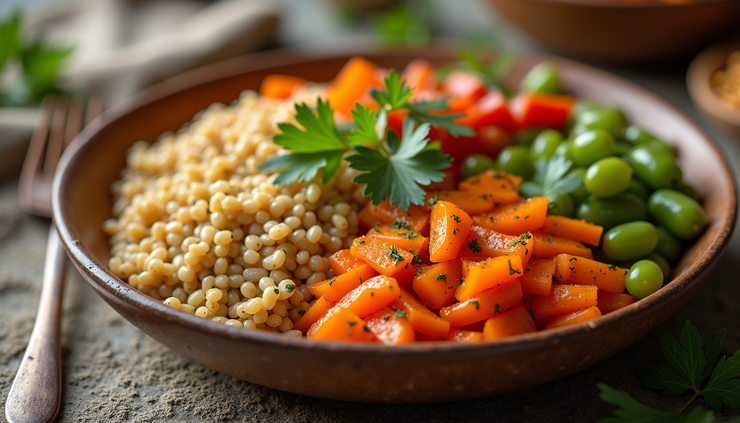
Vata types tend to feel cold, dry, and restless. Their digestion can be irregular, and they often experience anxiety or fatigue when out of balance. To calm Vata, I learned to focus on foods that are warm, moist, and grounding.
What to Eat for Vata
Warm cooked grains like oatmeal, rice, and quinoa
Steamed or sautéed vegetables such as carrots, beets, and sweet potatoes
Healthy fats like ghee, olive oil, and avocado
Sweet, sour, and salty tastes to balance dryness
Warm herbal teas like ginger or cinnamon
Foods to Avoid
Cold, raw foods like salads or smoothies
Dry snacks such as crackers or popcorn
Bitter and astringent tastes that increase dryness
By adding warming spices like ginger and cinnamon to your meals, you’ll notice your digestion improving and your energy staying steadier throughout the day. For Vata, keeping consistent meal times also helps maintain balance.
Pitta Dosha: Cooling and Soothing Choices
Pitta types have a strong digestive fire but can become overheated, irritable, or prone to inflammation. Their qualities are hot, sharp, and intense. To balance Pitta, cooling, mild, and less spicy foods work best.
What to Eat for Pitta
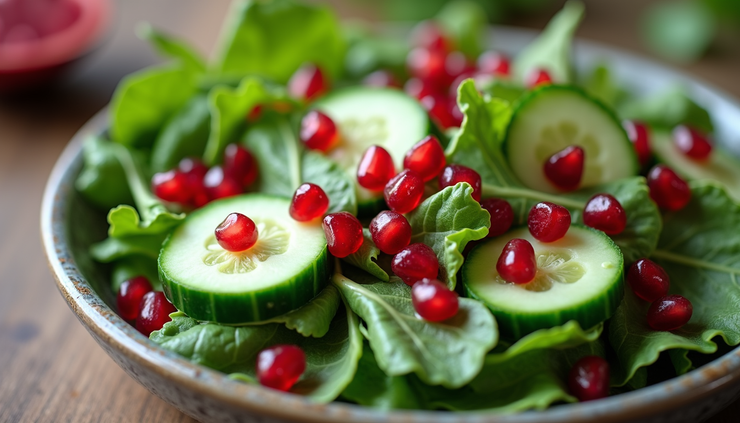
Cooling fruits like melons, cucumbers, and pears
Sweet, bitter, and astringent tastes such as leafy greens and broccoli
Dairy products like milk, ghee, and fresh cheese (if tolerated)
Whole grains like barley, basmati rice, and oats
Herbal teas such as mint or rose
Foods to Avoid
Spicy, fried, or oily foods
Sour and salty tastes in excess, like pickles or salty snacks
Alcohol and caffeine, which can increase heat
Eating smaller, more frequent meals with plenty of cooling vegetables will help you stay calm and focused. Drinking coconut water or fresh cucumber juice can also feel very refreshing on hot days.
Kapha Dosha: Light and Stimulating Foods
Kapha types tend to have a slower metabolism and can feel heavy, sluggish, or congested when imbalanced. Their qualities are heavy, slow, cool, and oily. To balance Kapha, foods that are light, dry, and warming are ideal.
What to Eat for Kapha
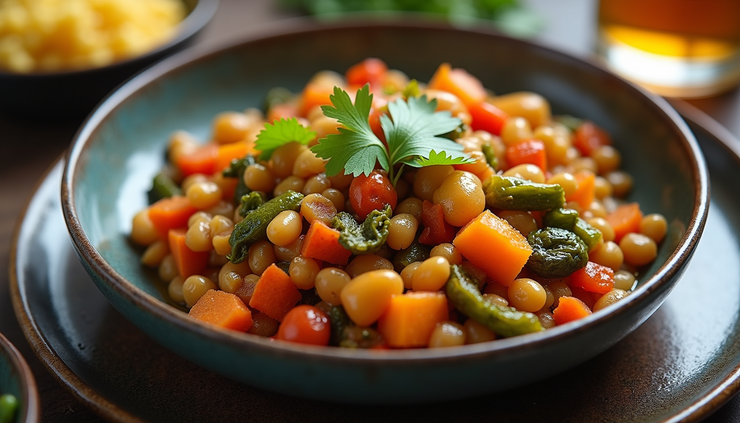
Light grains like barley, millet, and corn
Spicy and bitter vegetables such as kale, mustard greens, and radishes
Legumes and beans for protein without heaviness
Pungent and astringent tastes to stimulate digestion
Warm herbal teas like ginger, turmeric, or black pepper
Foods to Avoid
Heavy, oily, or fried foods
Dairy products in excess, especially cheese and cream
Sweet, sour, and salty tastes in large amounts
When you adjust your diet to include more spices and lighter meals, you’ll notice your energy increasing and your body feeling less congested. Combining morning exercise with a Kapha-friendly diet can make a big difference in your motivation and mood.
Practical Tips to Balance Your Dosha Through Diet
Identify your dominant dosha by observing your physical traits, digestion, and emotional tendencies. Many online quizzes or Ayurvedic practitioners can help.
Adjust your meals seasonally. For example, Vata benefits from more grounding foods in cold, dry seasons, while Pitta needs cooling foods in hot weather.
Cook fresh meals whenever possible. Ayurveda values freshly prepared food that is easy to digest.
Use spices mindfully. Spices like ginger, cumin, coriander, and fennel can support digestion and balance doshas.
Listen to your body. Notice how different foods make you feel and adjust accordingly.
Bringing Ayurveda Into Your Daily Life
Incorporating Ayurveda into your diet is not about strict rules but about tuning into your body’s needs. I found that small changes, like starting the day with warm water and lemon or adding a pinch of turmeric to my dishes, created a ripple effect of wellness.
Balancing your plate according to your dosha can improve digestion, reduce stress, and increase vitality. It also deepens your connection to the rhythms of nature and your own body.
If you want to explore further, consider consulting an Ayurvedic practitioner who can provide personalized guidance based on your unique constitution.
Eating with awareness and care is a powerful way to support your health. By choosing foods that balance your dosha, you create a foundation for lasting well-being.


Comments